In recent years, Micro LED technology has gained significant traction, particularly in optical communication, where its potential to transform the industry is becoming increasingly evident. Notable moves from TSMC’s foray into Micro LED optical communication and Microsoft's development of the MOSAIC optical interconnect solution have captured widespread attention. These events highlight the growing convergence of Micro LED technology and optical communications, positioning this intersection as a new growth driver for the LED industry.
While Micro LED technology in optical communication is still maturing, the rising demand for high-performance computing, driven by AI and data processing advancements, presents significant opportunities. With AI applications, including large-scale model training and inference, generating an insatiable need for faster, more efficient data transfer, the synergy between Micro LED and optical communication is set to redefine the industry landscape.
The Role of Micro LED in AI and Data Center Demands
The rapid evolution of artificial intelligence has led to a surge in demand for computing power, particularly in data centers where high-speed, high-capacity optical communication systems are critical. AI technologies require advanced hardware capable of handling massive datasets and processing complex algorithms. In this context, optical communication, integrated with intelligent AI Ethernet switch technology, serves as the backbone, enabling the high-speed, high-throughput transmission of data essential for AI workloads.
Leading tech companies such as NVIDIA, Meta, and Alibaba Cloud are heavily investing in AI infrastructure. For instance, NVIDIA’s GB200 server requires 162 1.6T modules per rack, underscoring the immense need for high-bandwidth communication. According to the "2025 Computing Power Development Report," the global scale of intelligent computing is expected to reach 5693 EFLOPS (FP16) by the end of 2024. These advancements emphasize the importance of optical interconnects, particularly as traditional copper-based connections struggle to meet the bandwidth demands of next-generation technologies.
However, as network speeds increase to 800Gbps and above, challenges such as power consumption, component aging, and increased deployment costs emerge. This has led to the exploration of innovative optical interconnect technologies, with Micro LED at the forefront.
Microsoft's MOSAIC and TSMC's Micro LED Vision
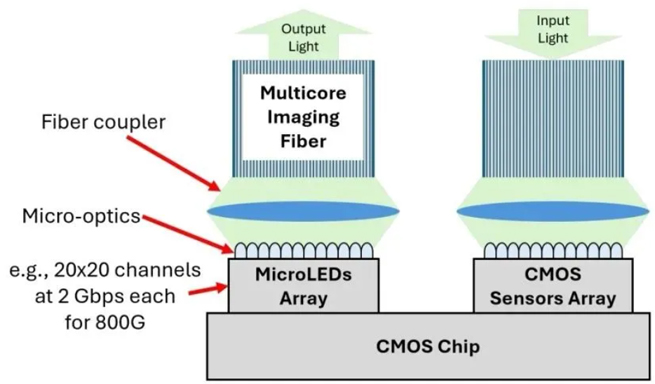
Microsoft's MOSAIC project, developed by its research team, introduces a revolutionary approach to optical interconnects. Unlike traditional "Narrow and Fast (NaF)" models, MOSAIC employs a "Wide and Slow (WaS)" architecture. This approach replaces high-speed, narrow channels with hundreds of parallel low-speed channels, creating a more energy-efficient, scalable, and reliable system for long-distance data transmission. This shift has the potential to overcome the limitations of conventional optical communication systems, offering improved power efficiency and lower latency for AI-driven applications.
On the other hand, TSMC’s involvement in Micro LED optical communication leverages its extensive semiconductor manufacturing expertise. TSMC's advanced capabilities in Micro LED chip development, wafer-level packaging (WLP), and mass transfer are essential for the production of high-performance optical modules. These developments position Micro LED as a key enabler of next-generation optical communication solutions, particularly for AI and data center applications.
Technological Synergies Between LED and Micro LED Optical Interconnects
One of the key advantages of LED companies entering the optical communication space lies in their existing expertise in chip manufacturing and large-scale production. LED companies have long been focused on Micro LED epitaxial growth, which involves the creation of high-quality chips that can be used in various optical communication devices.
Furthermore, LED companies’ established production capabilities provide an invaluable foundation for transitioning to optical communication. The cost-efficiency of mass production in the LED industry is expected to lower the overall production costs for Micro LED optical modules, facilitating the widespread adoption of this technology.
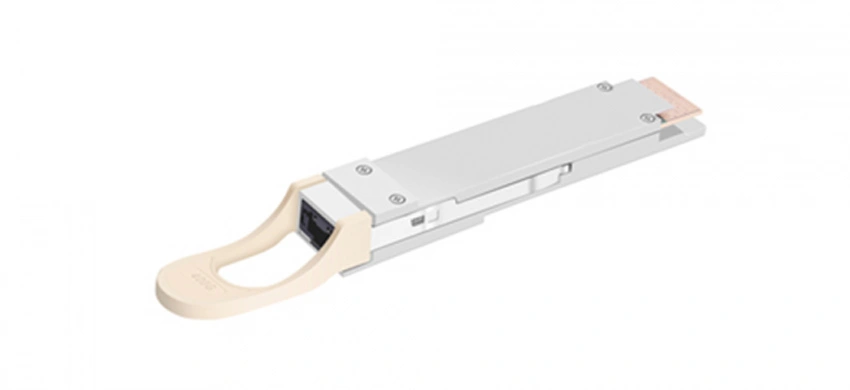
Micro LED optical modules, compatible with standards such as QSFP and OSFP, are expected to enable the mass deployment of high-speed optical communication systems. This development is particularly timely, given the rapidly growing demand for high-bandwidth, low-latency communication systems in data centers, telecommunications, and AI infrastructure.
Progress and Market Potential of Micro LED Optical Interconnects
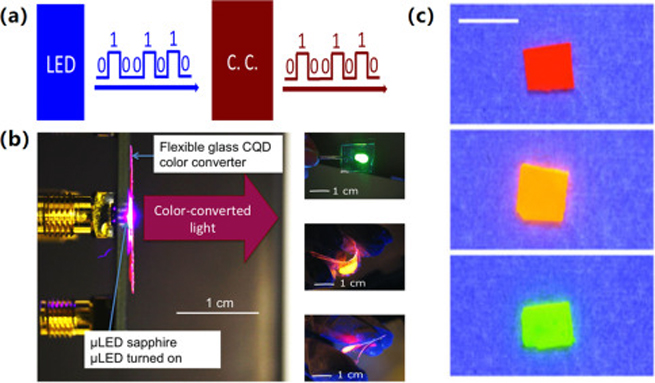
Several key players in the LED industry have already entered the optical communication market, leveraging their technological expertise to design and manufacture cutting-edge optical components. Companies like Sanan Optoelectronics, MTC, and Seoul Semiconductor are actively working on developing Micro LED-based optical interconnects, positioning themselves at the forefront of this emerging sector.
MTC, for instance, has developed a unique advantage with its vertically integrated supply chain. Its subsidiary, MTC Semiconductor, has mastered key technologies such as Micro LED epitaxial growth, chip etching, and mass transfer, allowing it to produce high-quality optical modules at scale. MTC’s products are already compatible with the MOSAIC multi-channel parallel architecture, enabling the company to meet the requirements of the next-generation optical communication networks.
In 2025, MTC's optical communication division is expected to see significant growth, with revenues from its optical devices and modules projected to reach 309 million yuan. The company’s successful development of high-speed optical modules above 400G demonstrates its ability to meet the industry's growing demand for faster, more efficient data transmission.
Challenges and Opportunities in the Micro LED Optical Communication Space
Despite the promising prospects of Micro LED optical communication, the path forward is not without its challenges. LED companies must navigate technological barriers, talent shortages, and the complexities of certification and customer trust. Moreover, the fragmented nature of the optical communication industry presents hurdles in building effective channels and brand recognition.
Nonetheless, the long-term opportunities are substantial. As the demand for AI-driven computing power continues to grow, the integration of Micro LED technology into optical communication systems is expected to play a pivotal role in meeting these demands. Furthermore, the trend toward domestic substitution and the increasing reliance on homegrown technologies provide additional incentives for LED companies to enter this space.

The Future of Micro LED in Optical Communication
As AI technologies and data center demands continue to evolve, Micro LED optical communication represents a transformative opportunity for the LED industry. The strategic investments made by TSMC and Microsoft, along with the efforts of leading LED companies, are paving the way for a new era of high-performance, low-power, and highly reliable optical interconnects.
The intersection of Micro LED and optical communication holds the potential to reshape industries ranging from telecommunications to artificial intelligence. With continued technological innovation and market expansion, Micro LED optical communication is poised to become a key driver of growth, creating new pathways for the industry’s future.
By Lanaotek
Lanaotek specializes in translating cutting-edge optical and Ethernet transmission technologies into clear, valuable insights that help our customers stay ahead in a fast-evolving digital world.
By turning complex technical concepts into practical, business-driven content, we aim to empower decision-makers with the knowledge they need to make confident, future-ready choices.
 EN
EN
 fr
fr  es
es  ru
ru  pt
pt  ar
ar  de
de 
 Internet Data Center
 FAQs
FAQs Industry News
 About Us
 Data Center Switch
  Enterprise Switch
  Industrial Switch
  Access Switch
  Integrated Network
  Optical Module & Cable




 Call us on:
  Email Us:
  2106B, #3D, Cloud Park Phase 1, Bantian, Longgang, Shenzhen, 518129, P.R.C.