Silicon photonics, a breakthrough technology at the crossroads of optical communication and semiconductors, is transitioning from academic research to real-world applications. This interdisciplinary field harnesses traditional photonics integrated with mature silicon-based semiconductor processes to deliver high-speed, low-power, and highly integrated optical signal processing and transmission, creating new demands and opportunities for network switch suppliers. By embedding full-function modules for light emission, modulation, transmission, and detection on a silicon substrate, silicon photonics is revolutionizing industries like data centers, telecommunications, and emerging fields such as AI, autonomous driving, and quantum computing. It has become a cornerstone technology for the next-generation digital infrastructure.
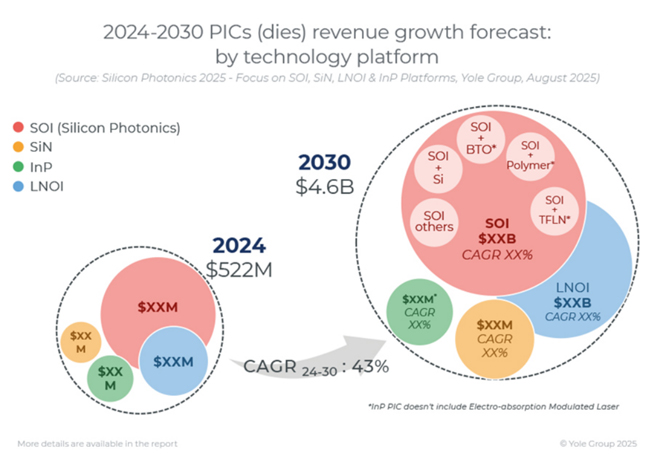
The Surge in Market Demand: From Incremental to Explosive Growth
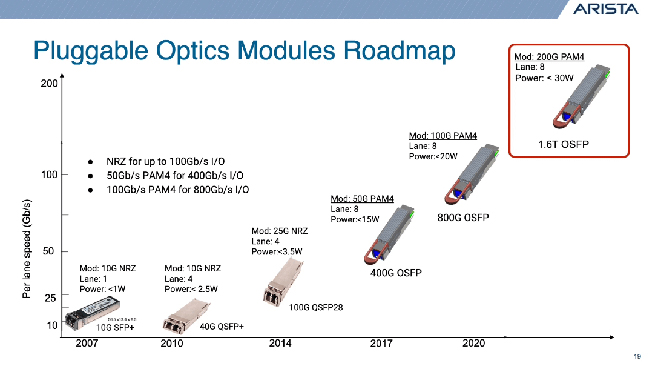
The silicon photonics industry is experiencing a dramatic shift in demand. Historically driven by incremental needs, the market is now witnessing explosive growth. According to Yole’s "Silicon Photonics 2025" report, the sector is on the cusp of rapid expansion, with AI driving the exponential increase in bandwidth demand. By 2026-2027, 200G/channel links are predicted to become mainstream, paving the way for even faster 800G and 1600G transceivers. These high-bandwidth solutions are essential for hyperscale data centers and AI clusters that require both high speed and energy efficiency.
This shift marks a pivotal moment for silicon photonics, which is increasingly seen as the technology that can meet the growing demands of next-gen infrastructure. For instance, hyperscale data centers—where data transmission and processing are paramount—are adopting these technologies for their lower power consumption and higher performance, especially as AI and machine learning workloads continue to grow.
The Silicon Photonics Industry Chain: Upstream, Midstream, and Downstream Dynamics
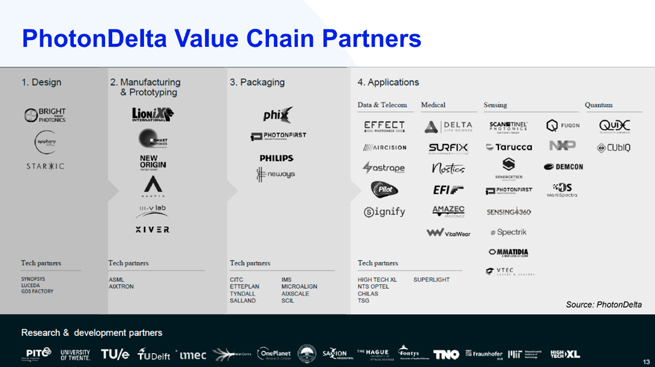
The silicon photonics industry comprises a multi-tiered value chain:
1. Upstream: In this segment, high-quality silicon materials (such as SOI wafers), advanced lithography tools, and Electronic Design Automation (EDA) software play crucial roles in the research and development of silicon photonic chips.
2. Midstream: The manufacturing and packaging of these chips are at the heart of the industry. Innovations in wafer fabrication, packaging, and testing determine the performance, yield, and cost efficiency of the final products.
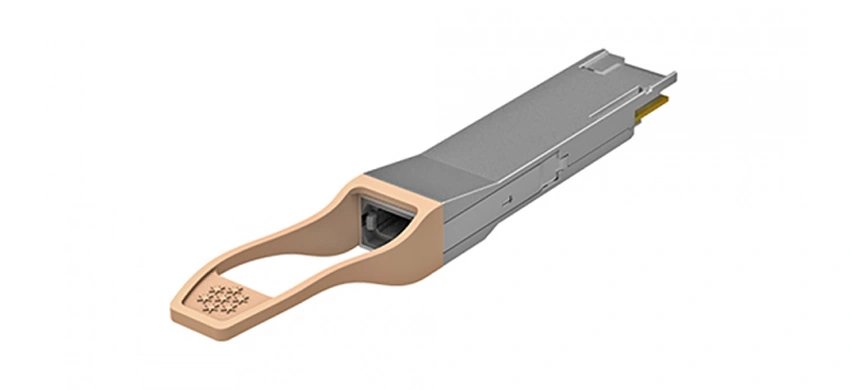
3. Downstream: System integrators use silicon photonic chips to create end products such as optical modules and computing systems tailored to specific needs—whether for optical communication, high-performance computing, or quantum applications.
This structure highlights the global collaboration across different segments to push silicon photonics from theoretical research to mass production. Notable collaborations between research institutions and companies have accelerated the development of these technologies.
China's Domestic Breakthroughs: A Rising Power in Silicon Photonics
In a significant milestone for the Chinese silicon photonics industry, the National Innovation Center for Information Optoelectronics recently launched a fully domestically produced 12-inch silicon photonics process kit (PDK/ADK/TDK). This marks China’s first achievement in full-process standardization—from design and manufacturing to testing and packaging—empowering local manufacturers to mass-produce silicon photonics chips at a competitive scale.
For example, companies like New Eoptolink, a leader in high-speed optical modules, have capitalized on these breakthroughs. The company’s high-speed 800G optical modules are expected to be used in AI-driven computing infrastructures, possibly including partnerships with global giants like Nvidia and Microsoft, although such collaborations remain unconfirmed. New Eoptolink’s growth trajectory is a testament to the booming demand for silicon photonics: the company's revenue surged by 282.64% year-on-year in 2025, with net profits tripling. As a result, the company's market valuation has soared over 260% this year alone.
Competitive Landscape: China vs. Global Leaders
Internationally, companies like Intel and Cisco are formidable players in silicon photonics. Intel, for instance, has pioneered the development of 100G optical modules for data centers, while Cisco has focused on integrating photonic technologies into its routing solutions. However, China's emerging companies, such as New Eoptolink, InnoLight Technology, and Tianfu Communication, are making significant strides in narrowing the gap with global giants.
InnoLight Technology, for example, launched the first 800G pluggable optical module in 2020—well ahead of its competitors—and has since become a leader in high-performance optical modules. With its focus on next-gen products like 1.6T and 3.2T optical modules, InnoLight’s capacity expansion has positioned it to take a substantial share of the global market, driven by skyrocketing demand for AI-related optical components.
In comparison to global players, Chinese manufacturers benefit from more favorable domestic policies and a rapidly advancing local supply chain, enabling them to reduce dependence on Western technologies. This "leapfrog" development in silicon photonics has given them a competitive edge, especially in high-speed modules and optical interconnects, key components for AI and data centers.
Financial Performance and Market Trends
The growing demand for silicon photonics products is reflected in the robust financial results of companies in the sector. For instance, InnoLight Technology saw its operating revenue reach RMB 14.789 billion in the first half of 2025, a 36.95% increase year-on-year. The company also posted a net profit of RMB 3.995 billion, reflecting a 69.40% growth. This remarkable financial performance is a direct result of their early investments in next-generation optical modules, which have proven critical to the needs of AI clusters.
In contrast, international firms like Intel have faced challenges in scaling production while maintaining cost efficiency. They are contending with rising competition from China's silicon photonics companies, which are quickly establishing themselves as formidable competitors in terms of both cost and technological innovation.
Technological Challenges and the Road Ahead
Despite the rapid progress, the silicon photonics industry still faces several hurdles. Technological diversity remains a major issue. Customers’ varied requirements—ranging from fiber array choices to differences in waveguide types and components—create significant challenges for standardization and mass production.
Another obstacle is the reliability of silicon photonics devices. In data centers and AI systems, devices are subjected to rigorous environmental conditions, and silicon photonics components must withstand extreme temperature fluctuations and humidity to ensure long-term reliability. This requires extensive testing, which can delay large-scale adoption.
Despite these challenges, China’s silicon photonics industry has made substantial progress, achieving significant breakthroughs in manufacturing and cost control. With continuous advancements in standardization and the expansion of production capacity, silicon photonics is poised to move from a niche market to mass-market adoption within the next 3-5 years.
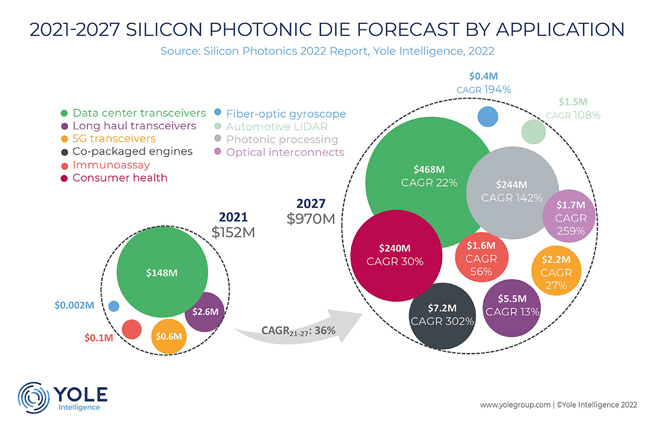
Silicon photonics represents the future of optical communication, AI, and quantum computing. With its rapidly expanding market, China is poised to be a key player in this sector, challenging global incumbents like Intel and Cisco. The next few years will see the continued rise of domestic manufacturers, with innovations in high-speed optical modules and AI-driven applications leading the way. The evolution of silicon photonics is not just a technological shift; it’s a market revolution that will shape the future of the global digital economy.
By Lanaotek
Lanaotek specializes in translating cutting-edge optical and Ethernet transmission technologies into clear, valuable insights that help our customers stay ahead in a fast-evolving digital world.
By turning complex technical concepts into practical, business-driven content, we aim to empower decision-makers with the knowledge they need to make confident, future-ready choices.
 EN
EN
 fr
fr  es
es  ru
ru  pt
pt  ar
ar  de
de 
 Internet Data Center
 FAQs
FAQs Industry News
 About Us
 Data Center Switch
  Enterprise Switch
  Industrial Switch
  Access Switch
  Integrated Network
  Optical Module & Cable







 Call us on:
  Email Us:
  2106B, #3D, Cloud Park Phase 1, Bantian, Longgang, Shenzhen, 518129, P.R.C.