What are Optical Modules & Cables?
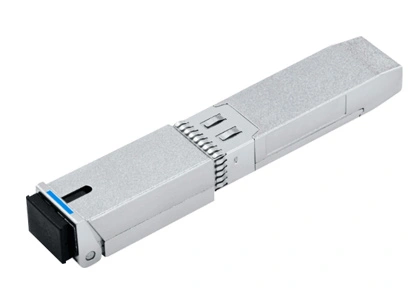
Optical Modules & Cables are key components in modern telecommunication networks, designed for high-speed data transmission over optical fiber. Optical modules, such as SFP, SFP+, QSFP, and others, are used to convert electrical signals into optical signals and vice versa. They enable high-capacity, low-latency communication between devices over long distances, providing efficient and reliable connectivity for data centers, enterprise networks, and telecom infrastructures.
What types of Optical Modules are available?
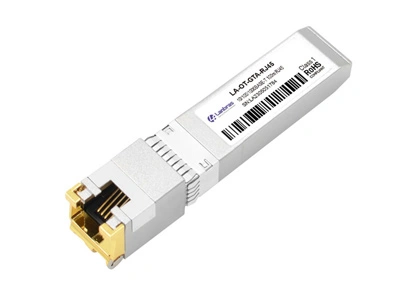
There are several types of optical modules available, including SFP (Small Form-factor Pluggable), SFP+, QSFP (Quad Small Form-factor Pluggable), QSFP+, and CFP (C Form-factor Pluggable). Each module type offers different data rates, distances, and applications. For instance, SFP+ supports 10 Gbps speeds, while QSFP can support up to 100 Gbps in high-density applications, ideal for data centers and enterprise networks.
How do Optical Modules work?
Optical modules operate by converting electrical signals into optical signals for transmission over fiber optic cables. The modules contain both transmitter and receiver components. The transmitter converts the electrical signal to light using a laser or LED, while the receiver converts incoming light signals back into electrical signals. This process allows for high-speed data transfer over long distances with minimal signal loss.
What are Optical Cables and how do they differ from Copper Cables?
Optical cables, also known as fiber optic cables, are designed to carry light signals between devices. They are made of glass or plastic fibers that transmit data via light, offering advantages over copper cables, such as higher bandwidth, longer distance capabilities, and immunity to electromagnetic interference. Copper cables, on the other hand, transmit data through electrical signals and are typically used for shorter distances.
What is the difference between Single-mode and Multi-mode fiber optic cables?
Single-mode fiber optic cables have a smaller core size (typically 8 to 10 microns) and are designed for long-distance transmission, allowing light to travel in a straight line. Multi-mode fiber cables have a larger core (50 to 100 microns) and are optimized for shorter distances, as the light bounces off the core, causing potential signal loss over long distances.
What are the advantages of using Optical Modules in a network?
Optical modules offer several advantages, including high-speed data transmission, low latency, and long-distance reach without signal degradation. They are also highly energy-efficient and have a compact form factor, making them ideal for use in dense network environments such as data centers and telecom infrastructures.
How do I choose the right Optical Module for my network?
Choosing the right optical module depends on several factors, including the required data transfer speed, transmission distance, and compatibility with your existing network equipment. Consider the module’s form factor (e.g., SFP, QSFP), supported data rates, and optical fiber type (single-mode or multi-mode). It's also essential to verify the module’s compatibility with your network devices.
What is the maximum distance that Optical Modules can cover?
The maximum distance an optical module can cover depends on its type and the fiber optic cable it uses. For example, a standard SFP module may cover distances of up to 100 meters over multi-mode fiber, while a single-mode fiber module can reach distances of up to 80 kilometers or more, depending on the module's specifications.
What is the role of Optical Modules in Data Centers?
In data centers, optical modules are used to interconnect switches, routers, and servers, providing high-speed data transfer between devices. They are crucial for supporting high-capacity networks and ensuring low-latency communication. Optical modules enable data centers to scale and meet the demands of modern applications, such as cloud computing and big data analytics.
What is an SFP Module and how is it used?
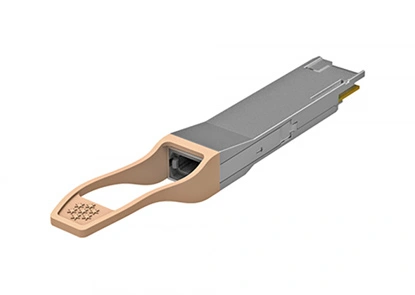
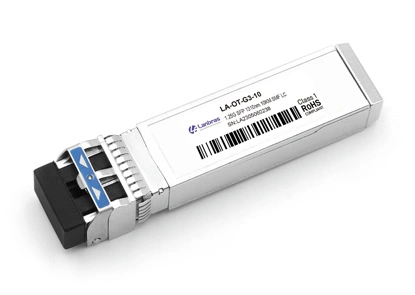
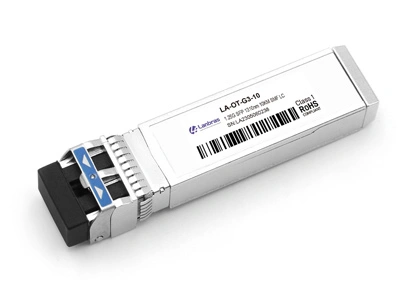
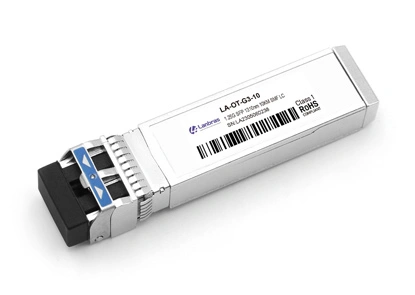
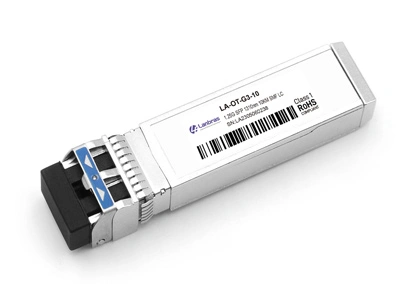
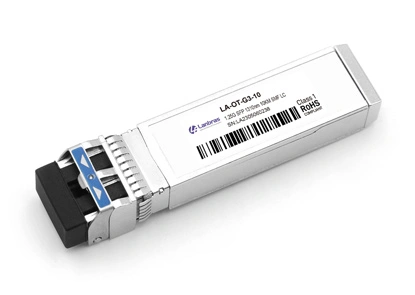
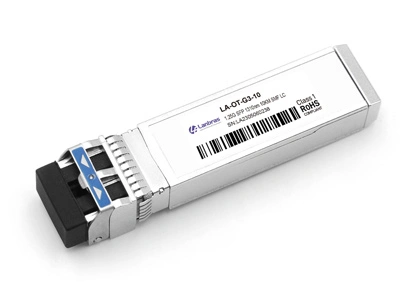
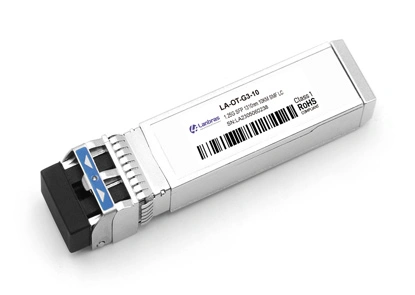
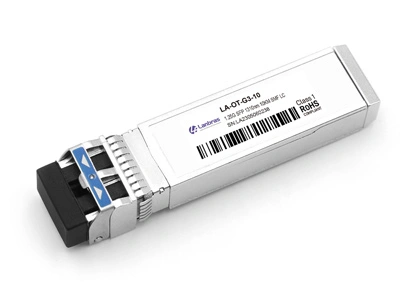
An SFP (Small Form-factor Pluggable) module is a compact optical transceiver used for data transmission in fiber optic networks. It supports various speeds, typically ranging from 1 Gbps to 10 Gbps, and can be used in different network environments such as telecommunications, enterprise networks, and data centers. SFP modules are hot-swappable and provide flexibility in connecting devices using fiber optic cables.
What is a QSFP Module and its benefits?
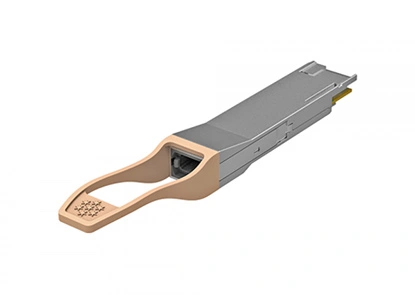
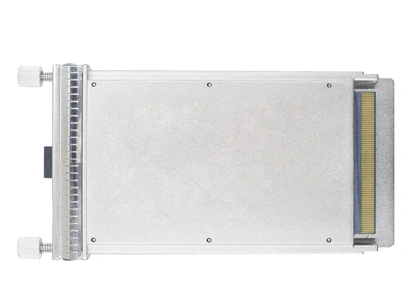
QSFP (Quad Small Form-factor Pluggable) modules are high-density optical transceivers that support data rates ranging from 40 Gbps to 400 Gbps, depending on the specific module type. QSFP modules are used in high-performance networks, such as data centers, and offer significant space-saving and cost benefits, as they allow multiple channels of data transmission within a single module.
Can Optical Modules be used in long-distance communications?
Yes, optical modules are ideal for long-distance communication due to their ability to transmit signals over great distances with minimal signal loss. Single-mode fiber optic cables, paired with appropriate optical modules, can cover distances of tens of kilometers, making them suitable for telecom networks, undersea cables, and inter-building connections.
What is an MTP/MPO cable and how is it used in Optical Networks?
MTP (Multi-fiber Termination Push-on) and MPO (Multi-fiber Push-On) cables are high-density fiber optic cables that support multiple fiber strands in a single connector. These cables are commonly used in data centers for high-speed, large-volume data transmission, offering efficient solutions for dense network environments and reducing the need for numerous individual fiber cables.
How do Optical Modules impact network performance?
Optical modules directly impact network performance by enabling high-speed, high-bandwidth communication over optical fibers. They reduce latency, enhance signal quality, and support larger volumes of data transfer compared to traditional copper cables, ensuring that modern networks can meet the demands of cloud computing, IoT, and other data-intensive applications.
Are Optical Cables more secure than Copper Cables?
Yes, optical cables are more secure than copper cables in certain applications. Fiber optic cables are immune to electromagnetic interference, which makes them less susceptible to data tapping or signal jamming. This enhanced security feature is especially important in military, governmental, and financial sector communications.
How do I install Optical Modules in my network?
Installing optical modules involves connecting the module to the appropriate port on your network device, such as a switch, router, or server. It's important to ensure that the module is compatible with both the device and the type of fiber optic cable being used. Once the module is installed, the connection can be made by inserting the fiber optic cable into the module’s connector.
What are the environmental factors to consider when using Optical Modules?
Environmental factors such as temperature, humidity, and vibration can affect the performance of optical modules. Many optical modules are designed with a wide operating temperature range, but it's important to ensure that they are used within the specified limits. Additionally, proper cable management and protective enclosures can help shield modules from environmental damage.
Can Optical Modules be used in 5G networks?
Yes, optical modules are essential in the backbone infrastructure of 5G networks, where they support high-speed, low-latency communication between base stations, data centers, and other critical network elements. Optical modules enable the high-capacity data transfer required for 5G services, such as enhanced mobile broadband and ultra-reliable low-latency communication.
How long do Optical Modules typically last?
Optical modules are designed for long-term use, typically lasting between 5 to 10 years depending on environmental conditions, network traffic, and maintenance. Regular monitoring and cleaning of optical modules and cables can help extend their lifespan by preventing dust accumulation and minimizing signal degradation.
What factors should I consider when selecting an Optical Cable?
When selecting an optical cable, consider factors such as the type of network (single-mode or multi-mode), the required transmission distance, and the data transfer rate. The cable’s durability, shielding, and performance under varying environmental conditions should also be taken into account to ensure long-lasting, reliable performance.
What is the difference between 10G and 100G Optical Modules?
The main difference between 10G and 100G optical modules lies in the data transmission rates. 10G optical modules are designed to support 10 Gbps speeds, typically used for less demanding applications. 100G optical modules, on the other hand, are used for high-performance networks requiring large-scale, high-speed data transfer, such as data centers and cloud computing platforms.
How do Optical Modules support high-bandwidth applications?
Optical modules support high-bandwidth applications by providing efficient, high-speed data transfer over optical fibers, which have a much higher bandwidth capacity than traditional copper cables. By using advanced modulation techniques and increasing the number of channels within the module, optical modules can support the massive data requirements of applications like video streaming, cloud storage, and big data processing.
What is the role of Optical Modules in Telecommunication Networks?
In telecommunication networks, optical modules enable high-speed, long-distance communication between network elements. They play a crucial role in the backbone infrastructure of telecom providers, supporting voice, video, and data services with minimal signal loss and maximum reliability. Optical modules are used in both metro and long-haul fiber optic links.
Can Optical Modules support 4K or 8K video streaming?
Yes, optical modules can easily support high-bandwidth applications like 4K and 8K video streaming. Their ability to handle large amounts of data without degradation in quality makes them ideal for transmitting high-definition video content in real-time, ensuring smooth playback even over long distances.
Are there any standards for Optical Modules?
Yes, there are several industry standards for optical modules, including those defined by the IEEE (Institute of Electrical and Electronics Engineers) and the MSA (Multi-Source Agreement). These standards ensure compatibility between modules and equipment from different manufacturers and specify performance criteria such as data rates, signal integrity, and form factor specifications.
How does fiber optic technology improve network scalability?
Fiber optic technology significantly enhances network scalability by supporting high-speed data transfer over long distances without signal loss. Optical modules, in particular, enable networks to handle higher traffic volumes and more connected devices, making them ideal for growing infrastructures like data centers and 5G networks. Fiber’s capacity to transmit large amounts of data at high speeds helps ensure that networks can grow without requiring frequent upgrades to the underlying cabling.
What is the difference between LC, SC, and MTP connectors in optical modules?
LC (Lucent Connector), SC (Subscriber Connector), and MTP (Multi-fiber Termination Push-on) are different types of connectors used in optical networks. LC connectors are small and compact, often used in high-density applications. SC connectors are larger and widely used for their durability and ease of use. MTP connectors support multiple fibers, making them ideal for high-density applications like data centers where numerous fibers need to be connected efficiently.
How do Optical Modules ensure minimal signal loss?
Optical modules ensure minimal signal loss through the use of high-quality fiber optic cables and precise components that convert electrical signals into light. The light travels through the fiber core, with minimal attenuation, allowing for longer transmission distances. Additionally, optical modules are engineered to reduce dispersion and maintain signal integrity, ensuring high-quality, reliable data transmission.
What are the key performance metrics for Optical Modules?
The key performance metrics for optical modules include data rate, transmission distance, signal attenuation, and power consumption. Data rate refers to the speed at which data is transmitted, measured in gigabits per second (Gbps). Transmission distance indicates how far the signal can travel without significant loss. Signal attenuation represents the loss of signal strength over distance, and power consumption impacts energy efficiency.
What are the potential causes of optical signal degradation?
Optical signal degradation can occur due to several factors, including fiber attenuation, connector loss, contamination of connectors or cables, poor alignment of the optical fiber, and physical damage to the fiber. Environmental conditions such as temperature fluctuations, humidity, and physical stress can also contribute to signal degradation.
What are the environmental benefits of using Optical Modules?
Optical modules are environmentally friendly due to their energy efficiency and the fact that they use fiber optic cables, which are made of non-toxic materials. Fiber optic cables also have a lower environmental impact during manufacturing and disposal compared to copper cables, which require mining of metals like copper and are less recyclable. Additionally, optical modules contribute to reduced energy consumption in data centers and telecommunications networks.
Can Optical Modules support PoE (Power over Ethernet)?
Some optical modules, particularly those designed for enterprise networks, can support Power over Ethernet (PoE) by integrating the functionality to deliver both power and data over the same fiber or copper cable. This is especially useful in applications where devices such as IP cameras, VoIP phones, and wireless access points need both power and connectivity.
What are the benefits of using active optical cables (AOCs) over traditional optical modules?
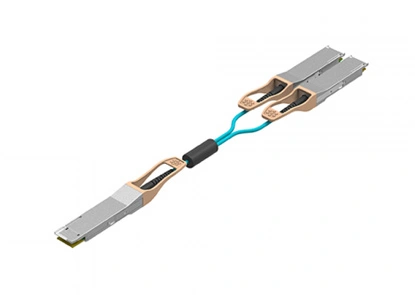
Active optical cables (AOCs) integrate optical transceivers and fiber optic cables into a single, flexible assembly, offering the benefits of ease of use and convenience. AOCs eliminate the need for separate optical modules and cables, reducing installation complexity and ensuring a compact, all-in-one solution. They are typically used in high-speed data transmission applications where space and cost efficiency are important.
How does fiber optic cabling impact network security?
Fiber optic cabling provides enhanced security over traditional copper cabling. Since fiber optics transmit data using light, they are immune to electromagnetic interference (EMI) and are difficult to tap into without detection. This makes them more secure for transmitting sensitive data in environments such as financial institutions, government agencies, and healthcare organizations.
How do optical cables help in reducing network latency?
Optical cables reduce network latency by enabling faster data transmission speeds compared to copper cables. The use of light to carry data through fiber optic cables results in quicker signal propagation, lower latency, and reduced transmission delays, making fiber optics ideal for applications that require real-time communication, such as financial trading and video conferencing.
How are Optical Modules tested for quality and reliability?
Optical modules undergo rigorous testing to ensure their quality and reliability. Key tests include checking for signal integrity, data rate performance, power consumption, and environmental durability. They are also tested for compatibility with different network devices, such as switches, routers, and servers, to ensure seamless integration. Reliability testing also includes stress tests, such as temperature cycling, vibration testing, and high-humidity exposure.
What is the role of Optical Modules in 5G infrastructure?
Optical modules play a crucial role in 5G infrastructure by providing the high-speed, low-latency connectivity required for 5G networks. They are used to connect base stations, switches, and routers within the 5G backbone and ensure that data can be transmitted efficiently and reliably between different network elements. Optical modules support the high-bandwidth and low-latency requirements that are essential for 5G applications like autonomous vehicles, IoT, and high-definition video streaming.
What is the difference between a transceiver and an optical module?
The term "transceiver" refers to a device that both transmits and receives optical signals, while an "optical module" generally refers to the complete assembly that includes both the transceiver and its housing, connectors, and other components. Optical modules are often referred to as "optical transceivers," as they contain the transceiver technology for converting electrical signals to optical signals and vice versa.
How do I clean Optical Modules and Cables?
Cleaning optical modules and cables is essential to maintain signal integrity. Specialized cleaning kits, including fiber optic wipes and lint-free cloths, should be used to clean the connectors. It’s important to avoid using harsh chemicals or abrasive materials that could damage the components. Fiber optic connectors should also be inspected regularly for dust or contamination, which can degrade performance.
What are the benefits of using direct attach cables (DACs) over optical modules?
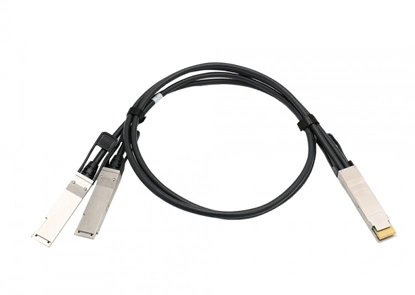
Direct attach cables (DACs) are used for short-range, high-speed data transmission and provide a more cost-effective alternative to optical modules for short distances (typically up to 7 meters). DACs combine the transceiver and cable into a single assembly, reducing the need for separate fiber optic cables and modules. They are often used in data centers and enterprise networks where space and budget constraints are present.
How does the form factor of Optical Modules affect network design?
The form factor of optical modules determines their size and compatibility with network devices. Smaller form factors, such as SFP and SFP+, allow for higher port density in switches and routers, making them ideal for space-constrained environments like data centers. Larger form factors, such as QSFP and CFP, support higher data rates and longer distances, which are required for high-capacity networks.
What is the future of Optical Modules and Fiber Optic Technology?
The future of optical modules and fiber optic technology is bright, as demand for high-speed, low-latency data transmission continues to grow. Advancements in optical technology, such as the development of new modulation techniques and the use of silicon photonics, are expected to drive higher data rates and improved performance. Additionally, with the rise of 5G, AI, and IoT, optical modules will play an increasingly vital role in enabling the next generation of global communications networks.
What are the key advantages of using optical fiber in modern networks?
Optical fiber offers several key advantages, including higher bandwidth, longer transmission distances, and better signal integrity compared to traditional copper cables. Fiber optic cables are immune to electromagnetic interference (EMI), which makes them ideal for environments with high electrical noise. They also have a smaller form factor, allowing for more efficient use of space in data centers and telecommunications infrastructure.
What is the maximum data rate supported by an optical module?
The data rate supported by an optical module depends on the type of module and the technology it uses. For instance, SFP+ modules typically support up to 10 Gbps, while QSFP28 modules can support up to 100 Gbps. Higher-performance modules, such as those based on the latest standards like 400G or 800G, can support data rates well beyond 100 Gbps, allowing for ultra-high-bandwidth applications.
How can I troubleshoot issues with Optical Modules?
Troubleshooting optical module issues typically involves checking the following:
1. Connection: Ensure that the module is properly seated in the port and that the fiber optic cables are securely connected.
2. Signal Integrity: Check for signal loss or attenuation by inspecting the fiber for damage or contamination.
3. Module Compatibility: Verify that the module is compatible with both the fiber type (single-mode or multi-mode) and the network device.
4. Module Health: Use monitoring tools to check the health of the optical module, including signal strength, operating temperature, and error rates.
5. Environmental Factors: Ensure that the module is operating within the recommended temperature and humidity range.
What is an MSA (Multi-Source Agreement) in the context of Optical Modules?
An MSA (Multi-Source Agreement) is a standard developed by manufacturers and vendors to ensure interoperability of optical modules. MSAs define key parameters, such as the form factor, electrical and optical interfaces, and performance specifications, ensuring that modules from different manufacturers can be used interchangeably within compatible equipment. This standardization helps reduce costs and provides flexibility when choosing modules from various vendors.
How do Optical Modules support different network topologies?
Optical modules are highly adaptable and support various network topologies, including point-to-point, ring, and mesh networks. For instance, in a point-to-point topology, optical modules provide direct connections between network devices, enabling high-speed, low-latency data transfer. In more complex topologies like mesh or ring networks, optical modules are used to connect multiple devices, ensuring efficient and reliable communication across large, distributed networks.
What is the role of Optical Modules in SDN (Software-Defined Networking)?
In Software-Defined Networking (SDN), optical modules provide the high-speed, flexible connections required to link SDN controllers, switches, and other network components. SDN aims to decouple the control plane from the data plane, and optical modules play a critical role in ensuring high-bandwidth, low-latency connectivity between SDN devices. By enabling dynamic, software-controlled networks, optical modules contribute to improved network performance and agility.
What is the difference between optical and copper cables in terms of power consumption?
Optical cables are more energy-efficient than copper cables. The electrical signals transmitted through copper cables generate heat and require more power to maintain signal integrity over long distances. In contrast, optical cables use light to carry data, which reduces power consumption and minimizes heat generation. This makes optical solutions more environmentally friendly and cost-effective in the long term, particularly in high-density networks like data centers.
How does the wavelength affect the performance of Optical Modules?
The wavelength of the light used in optical modules directly affects performance, particularly in terms of transmission distance and bandwidth. Longer wavelengths, such as those used in single-mode fiber (typically around 1310 nm and 1550 nm), allow for longer transmission distances with lower attenuation. Shorter wavelengths, such as those used in multi-mode fiber (850 nm), are typically used for shorter-distance connections, as they provide higher bandwidth over shorter distances.
What is the role of Optical Modules in cloud computing?
Optical modules are essential in cloud computing infrastructures, as they enable high-speed, high-capacity communication between data centers, cloud servers, and clients. The demand for faster data access, lower latency, and larger data transfer volumes in cloud computing applications makes optical modules an ideal solution. They help ensure reliable and efficient communication, supporting everything from data storage to real-time processing in cloud-based services.
What is the difference between an optical transceiver and an optical module?
The terms "optical transceiver" and "optical module" are often used interchangeably, but they refer to slightly different components. An optical transceiver is a specific part of an optical module responsible for converting electrical signals into optical signals (and vice versa). An optical module, on the other hand, is the complete device that includes the transceiver as well as other components such as the housing, connectors, and cooling mechanisms.
Can optical modules be used in industrial networks?
Yes, optical modules are commonly used in industrial networks, where reliable, high-speed communication is essential. In industrial environments, optical modules can be used to interconnect machines, sensors, and control systems, supporting the data transfer required for automation, monitoring, and control. The use of fiber optic cables ensures that industrial networks are resilient to electromagnetic interference and can operate in harsh environments.
What are the maintenance requirements for Optical Modules and Cables?
Maintenance of optical modules and cables generally involves regular inspections and cleaning. Fiber optic cables should be checked for signs of physical damage or wear, and connectors should be kept clean to prevent dust and debris from interfering with signal quality. Optical modules should also be monitored for temperature fluctuations and power usage to ensure they are operating within optimal parameters. Regular testing of the optical network can help identify issues early and prevent failures.
What is the typical lifespan of an optical fiber cable?
The lifespan of an optical fiber cable can range from 20 to 30 years, depending on the quality of the fiber, environmental conditions, and how well the cable is maintained. Fiber optic cables are highly durable and resistant to aging, but extreme environmental factors such as excessive heat, moisture, or physical stress can impact their longevity. Regular inspection and protection against environmental damage can help extend the lifespan of the cable.
How can I ensure compatibility between Optical Modules and my network equipment?
To ensure compatibility, it's essential to verify that the optical modules support the same form factor, data rates, and interface types as your network equipment. Most networking devices, such as switches, routers, and servers, specify which types of optical modules they support. Additionally, checking for compliance with industry standards (such as MSA or IEEE) can help ensure that the modules will function properly with your equipment.
Can Optical Modules support 100G Ethernet networks?
Yes, optical modules can support 100G Ethernet networks. Modules such as QSFP28 are designed to support data rates of up to 100 Gbps, making them suitable for high-speed Ethernet connections in data centers and enterprise networks. These modules use advanced technology to handle large volumes of data efficiently and can provide the necessary bandwidth for applications requiring high throughput, such as cloud computing, video streaming, and big data analytics.
What is the impact of temperature on the performance of Optical Modules?
Temperature fluctuations can significantly impact the performance of optical modules. High temperatures can cause the module to overheat, leading to performance degradation or failure. On the other hand, extremely low temperatures can affect the optical properties of the fibers and reduce signal quality. Many optical modules are designed to operate within a specific temperature range, and it’s essential to ensure that they are used within these limits for optimal performance.
How does optical module density impact network design?
Optical module density refers to the number of optical ports that can be accommodated in a given space, such as a switch or router. High-density optical modules enable network designers to pack more connections into smaller spaces, improving overall network scalability. In environments such as data centers, where space is at a premium, using high-density optical modules can maximize the available infrastructure and reduce equipment costs.
 EN
EN
 fr
fr  es
es  ru
ru  pt
pt  ar
ar  de
de  Data Center Switch
  Enterprise Switch
  Industrial Switch
  Access Switch
  Integrated Network
  Optical Module & Cable


 Internet Data Center
 FAQs
FAQs Industry News
 About Us
 Call us on:
  Email Us:
  2106B, #3D, Cloud Park Phase 1, Bantian, Longgang, Shenzhen, 518129, P.R.C.