Building a reliable network in a remote location often starts with a difficult question: how can communication equipment stay powered when there is no reliable electricity supply nearby? From isolated monitoring stations and rural infrastructure to offshore facilities and industrial sites far from the grid, maintaining continuous connectivity has always been a major challenge.
Running traditional power cables to these locations can require significant construction work, higher installation costs, and complex maintenance. However, modern network applications increasingly demand real-time data transmission, remote monitoring, and uninterrupted communication, making flexible off-grid power solutions more important than ever.
Solar PoE technology changes the way remote networks are deployed by combining renewable solar energy with Power over Ethernet communication. By using a poe solar panel system, network devices can receive both power and data without depending on traditional electrical infrastructure, enabling reliable connectivity even in areas where grid access is limited or unavailable.
From smart agriculture and security surveillance to environmental monitoring and industrial communication, solar poe provides a practical approach for extending network coverage beyond conventional boundaries. This article explores how solar-powered PoE systems work, why they are ideal for off-grid applications, and how they improve the flexibility and reliability of modern outdoor networks.
What Is Solar PoE Technology and Why Is It Ideal for Off-Grid Network Connectivity?
Solar PoE is a network power solution that integrates solar energy generation with Power over Ethernet technology. It allows network devices to receive electrical power and transmit data through Ethernet connections while operating independently from traditional grid electricity.
In conventional network installations, power supply and data communication usually require separate infrastructure. This can create significant challenges when equipment needs to be installed in remote areas such as mountains, forests, agricultural fields, construction zones, or locations far away from existing electrical networks.
A solar poe system solves this challenge by using solar energy as the primary power source. The system collects energy through a solar panel, stores electricity through a battery system, and delivers power to connected network devices through PoE technology. This integrated approach reduces installation complexity while expanding network deployment possibilities.
The main advantage of solar poe technology is energy independence. Because the system does not require a direct connection to the power grid, it can support communication networks in locations where installing electrical cables would be difficult, expensive, or impossible.
A typical solar-powered PoE solution can support outdoor cameras, wireless access points, environmental sensors, industrial monitoring devices, and other network equipment. By combining renewable energy with efficient data transmission, it provides a practical solution for modern off-grid communication requirements.
For companies deploying outdoor networking systems, selecting suitable equipment is essential for long-term performance. Lanaotek provides networking solutions designed for different outdoor communication scenarios. Customers can explore available solutions through the Lanaotek products page.
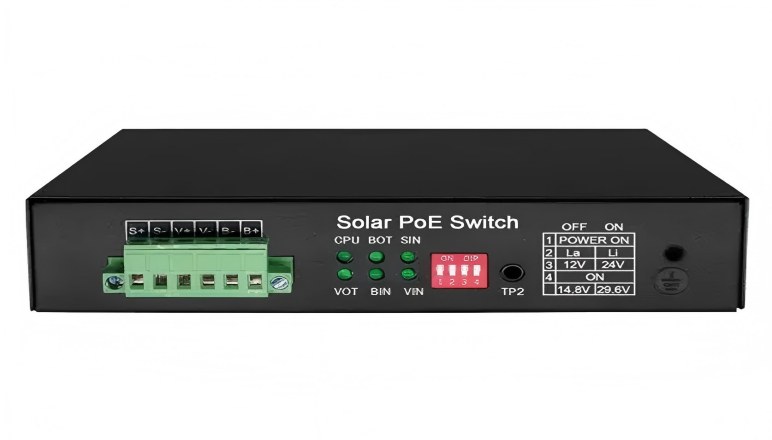
How Solar PoE Delivers Power and Data Transmission Without Grid Electricity
The operating principle of solar poe technology is based on the combination of solar energy conversion, energy storage, and Ethernet communication. Instead of relying on external electrical infrastructure, the system creates an independent power and communication platform for remote network deployment.
During daylight hours, the poe solar panel captures sunlight and converts solar energy into electricity. The generated power can be used immediately by connected network devices or stored in batteries for later use when sunlight is unavailable.
The battery storage system plays an important role in maintaining continuous operation. It allows network equipment to continue working during nighttime, cloudy conditions, or temporary reductions in solar energy availability. This ensures that critical monitoring and communication systems remain active without interruption.
After energy generation and storage, the PoE controller or PoE switch distributes power and data through Ethernet cables. This allows connected devices to communicate while receiving the necessary operating power through the same network connection.
| Network Solution | Power Supply Method | Advantages and Limitations |
|---|
| Traditional grid-powered network | Uses existing electrical infrastructure | Reliable where power is available but difficult to deploy in remote locations |
| Battery-powered network | Relies only on stored electricity | Simple installation but requires regular battery management |
| Solar PoE system | Uses solar generation with battery storage and PoE transmission | Provides flexible, renewable, and independent network deployment |
The combination of renewable energy and network communication makes solar poe particularly valuable for remote applications. It reduces dependence on traditional power sources while enabling continuous connectivity for important digital systems.
Essential Components of a Solar PoE System for Remote Network Deployment
A reliable solar poe system consists of multiple components that work together to provide stable power and communication. Each component has a specific function, and proper selection is essential for achieving reliable performance in outdoor environments.
The poe solar panel is the primary energy generation component. It converts sunlight into electrical power and determines how much renewable energy the system can produce. The required panel capacity depends on factors such as connected device power consumption, installation location, and expected sunlight conditions.
The energy storage system is another important part of a solar PoE installation. Batteries store excess electricity generated during the day and provide power when solar energy production is reduced. This ensures that network devices can continue operating during periods without direct sunlight.
A solar charge controller manages the energy flow between the solar panel and battery system. It helps regulate charging and protects the battery from overcharging or excessive discharge, improving system stability and service life.
The PoE switch or PoE controller is responsible for delivering both power and network communication to connected devices. Through Ethernet connections, it enables remote devices such as cameras, sensors, and wireless communication equipment to operate efficiently.
| System Component | Function | Contribution to Reliability |
|---|
| PoE solar panel | Converts sunlight into electrical energy | Provides renewable power for off-grid operation |
| Battery storage system | Stores electrical energy for later use | Maintains operation during low sunlight periods |
| Solar charge controller | Regulates energy management | Improves battery safety and efficiency |
| PoE switch or controller | Transfers power and data through Ethernet | Supports stable network connectivity |
A properly designed system ensures that every component works together efficiently. Lanaotek focuses on providing reliable networking solutions that help businesses establish stable communication infrastructure in challenging outdoor environments.
How Solar PoE Enables Reliable Network Connections in Remote and Challenging Locations
Deploying network infrastructure in remote areas requires solutions that can overcome limitations caused by distance, environmental conditions, and lack of traditional power resources. In these situations, solar poe technology provides a practical way to establish stable communication networks without relying on grid electricity.
One of the biggest advantages of a solar poe system is its ability to operate independently in locations where conventional network installation methods are difficult. Whether used in mountainous regions, rural areas, offshore locations, or large industrial sites, solar-powered PoE solutions help extend network coverage beyond traditional boundaries.
Environmental durability is another important factor. Remote network equipment may face rain, dust, humidity, temperature fluctuations, and prolonged sunlight exposure. A properly designed poe solar panel system can support outdoor operation by combining renewable energy generation with reliable power management and protected network equipment.
Compared with traditional wired infrastructure, solar PoE systems require fewer external resources during installation. This makes them particularly suitable for projects where construction work, cable installation, or electrical expansion would increase project complexity and costs.
In addition, solar-powered network solutions provide greater flexibility for future expansion. When new monitoring points or communication devices need to be added in remote locations, a solar poe system can often be deployed faster without waiting for grid power extension.
For organizations that require continuous connectivity in challenging environments, solar PoE offers a reliable balance between energy independence, installation flexibility, and long-term network performance.
Common Applications of Solar PoE Systems for Off-Grid Communication and Monitoring
The demand for remote connectivity continues to grow as more industries adopt digital monitoring, automation, and intelligent management systems. A solar poe solution enables network deployment in areas where access to electricity is limited while maintaining reliable communication between devices.
| Application Area | Network Requirement | Role of Solar PoE System |
|---|
| Remote security surveillance | Continuous video transmission and monitoring | Provides independent power and network connectivity for outdoor cameras |
| Smart agriculture | Remote monitoring of crops, irrigation, and environmental conditions | Supports sensors and communication devices in agricultural fields |
| Environmental monitoring | Long-term data collection in isolated locations | Enables operation of sensors and data transmission equipment |
| Industrial and construction sites | Flexible communication during temporary or expanding projects | Provides network access without complex power infrastructure |
| Transportation and public infrastructure | Reliable communication along roads and remote facilities | Supports monitoring and communication equipment in outdoor areas |
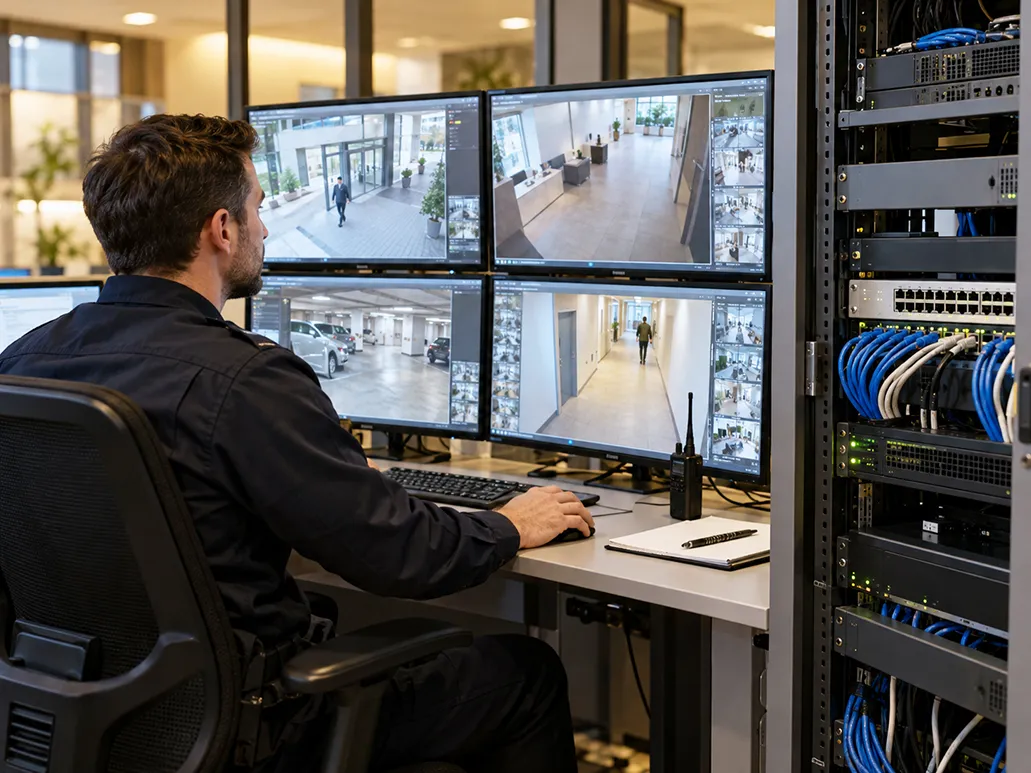
Security surveillance is one of the most common applications for solar poe technology. Remote cameras installed in locations such as parking areas, farms, construction sites, and border monitoring zones require stable power and communication. A poe solar panel system allows these devices to operate without nearby electrical connections.
In agriculture and environmental monitoring, solar PoE systems provide an efficient method for collecting real-time data from remote areas. Sensors can monitor conditions such as temperature, humidity, water usage, and equipment status while transmitting information through a reliable network connection.
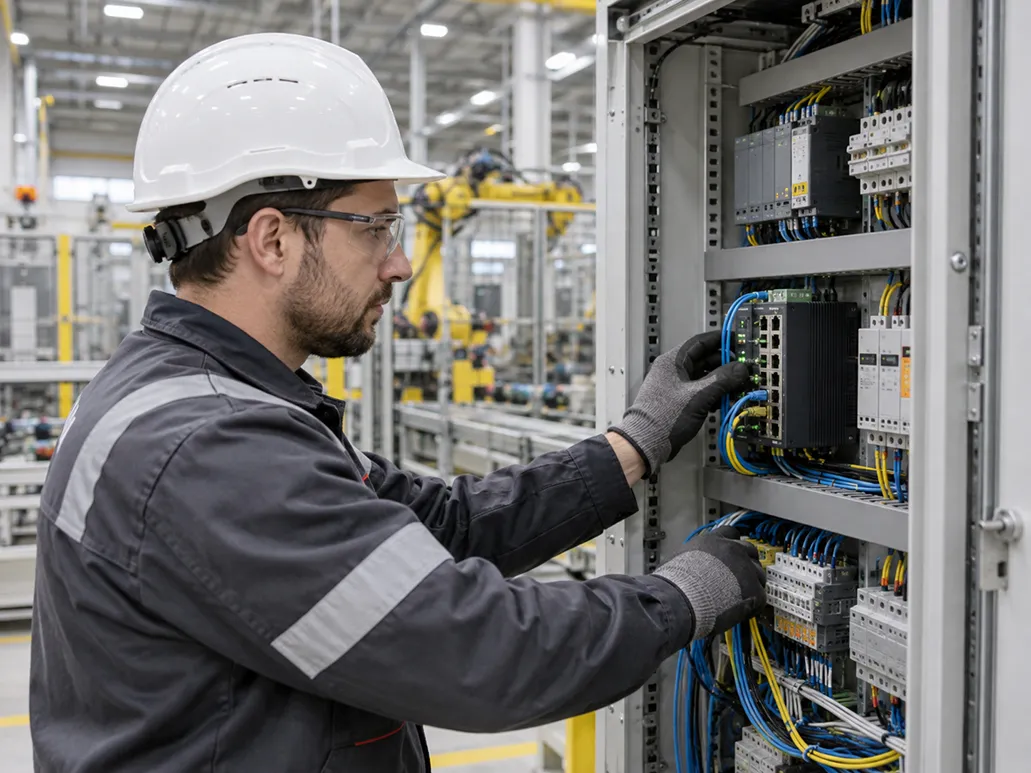
Industrial companies also benefit from solar-powered network deployment when communication equipment needs to be installed temporarily or expanded into areas without existing infrastructure. Lanaotek provides outdoor networking solutions that support different application requirements and help businesses build efficient communication systems.
How Solar PoE Improves Network Deployment Flexibility and Long-Term Reliability
Modern network projects require solutions that can adapt to changing environments and future expansion needs. Traditional infrastructure often depends on fixed power locations, which can limit where network equipment can be installed. Solar poe technology removes many of these restrictions by providing an independent power source.
One major benefit is faster deployment. Since solar PoE systems do not require extensive electrical construction, they can be installed in remote areas more efficiently. This reduces project preparation time and allows organizations to establish communication networks in locations that were previously difficult to access.
Long-term reliability is another important advantage. By combining a renewable energy source with intelligent power management, a poe solar panel system can maintain stable operation while reducing dependence on external electricity supplies.
| Performance Factor | Traditional Network Deployment | Solar PoE Deployment |
|---|
| Power availability | Requires access to existing electrical infrastructure | Uses solar energy for independent operation |
| Installation flexibility | Limited by power connection locations | Can be deployed in more remote locations |
| Infrastructure requirements | May require additional electrical construction | Reduces the need for external power wiring |
| Expansion capability | May require additional infrastructure planning | Allows easier deployment of new remote network points |
For businesses planning outdoor communication systems, selecting a reliable solar PoE solution can improve network availability while reducing long-term operational challenges. A well-designed system helps protect equipment, optimize energy usage, and maintain stable connectivity in demanding environments.
Lanaotek supports customers with professional networking solutions for outdoor and remote applications. Organizations that need further technical information or project assistance can contact the Lanaotek team through the Lanaotek contact page.
Conclusion
Reliable communication in remote areas requires more than advanced networking equipment. Without a dependable power source, even high-performance devices may struggle to maintain continuous operation. Solar poe technology provides an effective solution by combining renewable solar energy with Power over Ethernet communication.
Through the integration of a poe solar panel, battery storage, energy management components, and network equipment, solar PoE systems enable flexible and reliable off-grid connectivity. They allow organizations to deploy monitoring, communication, and automation networks in locations where traditional electrical infrastructure is unavailable.
From remote surveillance and smart agriculture to industrial monitoring and public infrastructure, solar PoE continues to expand the possibilities of outdoor network deployment. By reducing installation limitations and improving long-term reliability, it has become an important technology for modern off-grid communication systems.
Lanaotek provides networking solutions designed to support reliable connectivity in challenging environments. With suitable solar-powered network solutions, businesses can build more flexible, efficient, and dependable communication infrastructure.
FAQ
1. What is solar PoE technology?
Solar PoE is a technology that combines solar energy generation with Power over Ethernet communication. It allows network devices to receive both power and data transmission without relying on traditional grid electricity.
2. How does a poe solar panel work?
A poe solar panel converts sunlight into electrical energy, which is stored in batteries or used directly to power network equipment through a PoE system.
3. Where can solar PoE systems be used?
Solar PoE systems are commonly used in remote surveillance, smart agriculture, environmental monitoring, industrial sites, transportation systems, and other off-grid communication applications.
4. What equipment can be powered by solar PoE?
Solar PoE can support devices such as IP cameras, wireless access points, sensors, communication gateways, and other Ethernet-based network equipment.
5. Why is solar PoE suitable for remote areas?
Solar PoE is suitable for remote areas because it provides independent power generation and reduces the need for complex electrical infrastructure installation.
6. How can solar PoE improve network reliability?
Solar PoE improves reliability by providing stable power, reducing dependence on grid electricity, and allowing network equipment to operate in locations where traditional power sources are unavailable.
By Lanaotek
Lanaotek specializes in translating cutting-edge optical and Ethernet transmission technologies into clear, valuable insights that help our customers stay ahead in a fast-evolving digital world.
By turning complex technical concepts into practical, business-driven content, we aim to empower decision-makers with the knowledge they need to make confident, future-ready choices.
 EN
EN
 fr
fr  es
es  ru
ru  pt
pt  ar
ar  de
de 
 Internet Data Center
 FAQs
FAQs Industry News
 About Us
 Data Center Switch
  Enterprise Switch
  Industrial Switch
  Access Switch
  Integrated Network
  Optical Module & Cable

 Call us on:
  Email Us:
  2106B, #3D, Cloud Park Phase 1, Bantian, Longgang, Shenzhen, 518129, P.R.C.