Every connection between servers, storage systems, and the wider data center network ultimately depends on a switching layer that can move traffic consistently as workloads change. A switch may handle its assigned connections without difficulty under normal conditions, yet the demands placed on it can change as more servers are added, applications become more distributed, and network traffic becomes less predictable. The switching platform therefore needs to be considered as part of the infrastructure rather than as an isolated piece of hardware.
This is where the choice of data center switch vendors becomes significant. Different suppliers may offer similar port configurations while taking very different approaches to hardware design, software capabilities, product development, integration, and technical support. For organizations building or upgrading a data center network, those differences can have a lasting effect on how easily the infrastructure can be managed and developed.
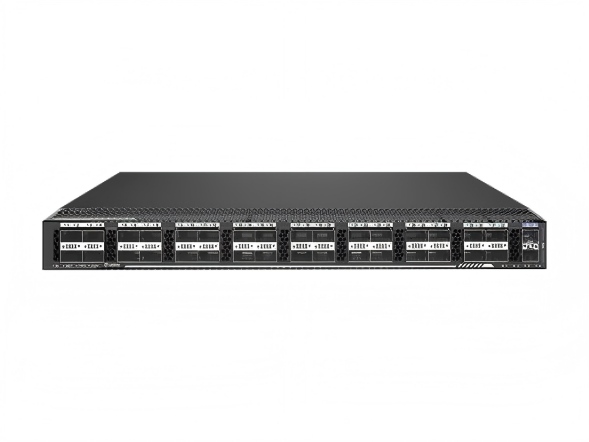
A data center tor switch deserves particular attention because it sits directly between server resources and the network's upstream layers. Its port density, uplink architecture, reliability, and compatibility need to align with the surrounding infrastructure, while the vendor must be able to support the platform throughout its operational lifecycle. Evaluating these factors together provides a more practical basis for choosing a switching solution that can remain effective as network requirements evolve.
Network Requirements That Matter When Evaluating Data Center Switch Vendors
The most useful vendor evaluation starts with a clear understanding of the network itself. Before comparing products from different data center switch vendors, network teams should establish where the switches will be deployed, what devices they will connect, and how traffic is expected to move between network layers.
A switch serving a dense server rack, for example, may have very different requirements from one used for aggregation. Modern workloads can also generate significant east-west traffic as servers communicate with other servers, storage platforms, virtualization clusters, and distributed applications. This makes the switching architecture increasingly important to overall application performance.
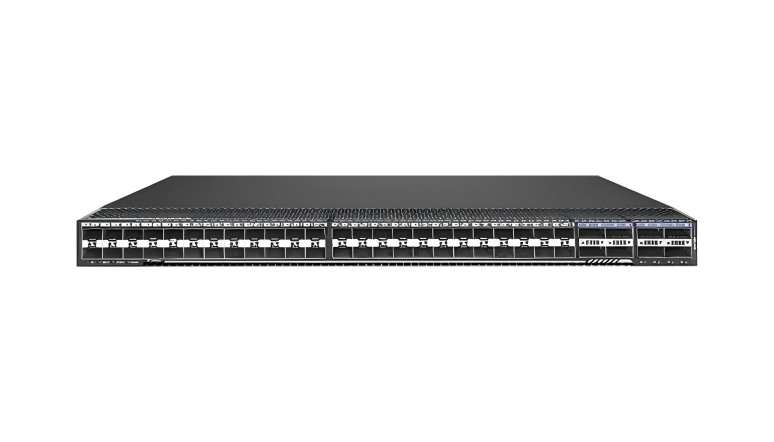
The role of a data center tor switch is particularly clear in this type of environment. Positioned at the top of a rack, it typically provides server-facing connectivity while sending aggregated traffic toward the upstream network. Its design needs to accommodate the number of connected devices without creating an unnecessary bottleneck between the rack and the rest of the data center.
Traffic characteristics should be considered as well. Sustained high-volume traffic and short bursts can place different demands on a switch, while latency-sensitive applications may require more attention to forwarding behavior and congestion management. Looking at these conditions before selecting equipment helps prevent a specification-driven purchase that does not match the actual workload.
Switching Capacity and Port Density for Scalable Data Center Networks
Port density has a direct effect on how efficiently a data center rack can be connected. A higher-density switch can accommodate more server interfaces within the same physical space, but the benefit depends on whether the switch also provides suitable uplink capacity and enough overall switching performance for the connected traffic.
Port speed should therefore be evaluated together with port count. A rack containing servers with high-speed network interfaces may require a different configuration from one containing a mixture of lower-speed connections. The most appropriate solution is not necessarily the switch with the highest speed on every port, but the one that creates a balanced connection between server-facing interfaces and upstream links.
| Evaluation Area | Impact on Data Center Networks | What to Consider |
|---|
| Switching capacity | Determines how much aggregate traffic the switch can process | Compare capacity with expected sustained and peak workloads |
| Port density | Determines how many devices can connect within a rack | Consider current server count and future rack growth |
| Port speed | Determines bandwidth available to individual connections | Match interface speeds with server and application requirements |
| Uplink capacity | Determines how efficiently rack traffic reaches upstream layers | Ensure aggregated traffic will not overwhelm the uplinks |
| Physical design | Affects rack deployment and operating conditions | Consider power, thermal load, cabling, and available rack space |
These factors become especially important when selecting a data center tor switch. Since the switch is located within the rack, its physical dimensions, power consumption, thermal characteristics, and cable organization can influence the practicality of the entire rack design. Network teams should therefore consider port density as part of a broader deployment strategy rather than treating it as an isolated specification.
For organizations comparing possible hardware configurations, reviewing LanaoTek's data center networking products alongside the intended rack and uplink architecture can provide a more relevant basis for evaluating available switching options.
Hardware and Software Features That Support Reliable Network Switching
Network reliability is not determined by a single hardware specification. The switch has to maintain stable operation under normal traffic, traffic bursts, configuration changes, and other conditions that can occur during the life of a data center deployment.
Hardware design provides the foundation. Component quality, thermal management, power architecture, interface stability, and physical construction can all influence long-term operation. A switch operating continuously inside a densely populated rack must also be able to work within the thermal and power conditions of the surrounding equipment.
Software is equally important. Network administrators depend on configuration functions, monitoring, traffic management, logging, firmware updates, and other software capabilities to operate the switching infrastructure. A platform that performs well at the hardware level but is difficult to configure or monitor can increase operational complexity as the network grows.
This is one area where data center switch vendors can differ considerably. Two switches may offer comparable port speeds while providing different approaches to management, automation, monitoring, and software development. For larger data centers, these differences can have a noticeable effect on day-to-day network operations.
Reliability should also be evaluated within the context of the complete topology. Power redundancy, link redundancy, upstream architecture, and network management all contribute to resilience. A reliable switch is important, but the surrounding design determines how effectively the network can respond when an individual component or connection experiences a problem.
Upgrade Paths and Product Roadmaps for Long-Term Network Growth
A data center network is likely to change during the lifetime of its switching equipment. Server interfaces may move to higher speeds, application traffic may increase, and new computing architectures may require different patterns of connectivity. These changes make the vendor's approach to product development an important part of the initial selection process.
When comparing data center switch vendors, buyers should consider whether the supplier has a coherent product roadmap and whether its switching platforms can accommodate changing network requirements. This does not necessarily mean choosing the newest or most powerful model available. Instead, the focus should be on whether the platform provides a sensible path as bandwidth, port density, and software requirements develop.
The issue is particularly relevant for a data center tor switch. ToR switches are often deployed across many racks, so a major platform change can involve a large number of physical devices. Maintaining a consistent architecture across product generations can make future upgrades easier to plan and manage.
Software evolution should also be considered. Firmware improvements, new management capabilities, security updates, and compatibility with newer network technologies can extend the practical usefulness of switching equipment. A product with a clear lifecycle strategy may therefore provide more long-term value than hardware that offers impressive specifications but limited development after deployment.
Interoperability and Integration in Multi-Vendor Data Center Networks
Data centers commonly contain equipment from multiple manufacturers. Servers, storage systems, routers, firewalls, optical components, monitoring platforms, and switching equipment may all come from different suppliers. The ability to integrate these components smoothly can therefore be just as important as the performance of the individual switch.
Interoperability begins with physical interfaces and supported network technologies, but it does not end there. VLAN configuration, traffic management, network protocols, monitoring systems, management interfaces, and automation workflows can all affect how easily a new switching platform fits into an existing environment.
This becomes especially important when introducing a data center tor switch into an established network. The switch needs to communicate with server interfaces at the rack level while also connecting reliably to upstream aggregation or spine equipment. If integrating the new hardware requires extensive changes to the existing architecture, the apparent benefits of the switch may be offset by additional implementation complexity.
Good data center switch vendors should therefore be able to provide clear technical documentation and explain how their products operate within multi-vendor environments. Compatibility should be verified against the actual network design rather than assumed simply because the equipment uses standard Ethernet interfaces.
Technical Support and Product Lifecycle Considerations for Data Center Switches
Once a data center switch is installed, the vendor relationship continues throughout the operational life of the equipment. Configuration questions, firmware updates, troubleshooting, compatibility issues, and future expansion can all require technical assistance. For this reason, support should be evaluated before procurement rather than after a problem occurs.
Documentation is a practical starting point. Installation information, configuration guides, product specifications, firmware documentation, and troubleshooting resources give engineers the information they need to deploy and maintain the switching platform. For larger projects, access to knowledgeable technical personnel can be equally important when network requirements go beyond a standard installation.
Product lifecycle policies also deserve attention. Buyers should understand how the vendor handles product revisions, firmware support, end-of-sale announcements, and eventual end-of-support. These policies can directly affect network planning, especially when switches are expected to remain in service for an extended period.
For projects with specific port requirements, unusual network topologies, or integration considerations, discussing the application before purchase can help identify potential issues early. Organizations planning a data center switching deployment can contact LanaoTek's technical team to discuss the intended network environment and determine which switching approach best fits the project.
Conclusion
Evaluating data center switch vendors is ultimately about more than finding a switch with an attractive specification sheet. The selected platform needs to fit the network architecture, handle the expected traffic, integrate with surrounding infrastructure, and remain practical as the data center develops.
For a data center tor switch, factors such as port density, uplink capacity, physical integration, reliability, interoperability, and upgrade potential deserve particular attention because the switch plays a central role in rack-level connectivity. At the vendor level, product roadmaps, software development, documentation, technical support, and lifecycle policies can determine how well the equipment continues to serve the network after the initial deployment.
A careful evaluation of these factors gives data center operators and system integrators a stronger basis for choosing switching equipment that supports both current workloads and future network requirements. The result is not simply a higher-performing network, but an infrastructure that is easier to expand, operate, and maintain over time.
FAQs
1. What should I look for when comparing data center switch vendors?
Compare switching capacity, port density, interface speeds, reliability, software capabilities, interoperability, upgrade options, technical support, and product lifecycle policies.
2. What is a data center ToR switch?
A data center tor switch, or top-of-rack switch, is positioned within or near a server rack and provides network connectivity between the servers and the upstream data center network.
3. Why is port density important for a ToR switch?
Port density determines how many server and network connections can be accommodated within a rack while helping organizations make efficient use of available rack space.
4. How does a vendor's product roadmap affect switch selection?
A product roadmap provides insight into how the vendor plans to develop its switching platforms, including future interface speeds, software capabilities, and product lifecycle support.
5. Why is interoperability important when selecting a data center switch?
Most data centers use equipment from multiple manufacturers. Good interoperability can simplify integration between switches, servers, storage systems, routers, and network management platforms.
6. How important is technical support when purchasing data center switches?
Technical support can affect deployment, troubleshooting, firmware management, integration, and long-term maintenance, making it an important part of the overall vendor evaluation.
By Lanbras
Lanbras specializes in translating cutting-edge optical and Ethernet transmission technologies into clear, valuable insights that help our customers stay ahead in a fast-evolving digital world.
By turning complex technical concepts into practical, business-driven content, we aim to empower decision-makers with the knowledge they need to make confident, future-ready choices.
 EN
EN
 fr
fr  es
es  ru
ru  pt
pt  ar
ar  de
de 
 Internet Data Center
 FAQs
FAQs Industry News
 About Us
 Data Center Switch
  Enterprise Switch
  Industrial Switch
  Access Switch
  Integrated Network
  Optical Module & Cable

 Call us on:
  Email Us:
  2106B, #3D, Cloud Park Phase 1, Bantian, Longgang, Shenzhen, 518129, P.R.C.