A production line does not stop simply because a machine loses network access for a few seconds. The real impact appears when that communication failure prevents a controller from receiving instructions, a sensor from delivering critical data, or an automated system from responding at the right moment. In today's industrial environments, communication reliability has become just as important as mechanical performance.
As factories become more automated, thousands of data exchanges happen between machines, controllers, sensors, and monitoring platforms every day. Keeping these connections stable requires more than ordinary networking equipment. An industrial ethernet router provides the communication foundation needed to keep industrial systems connected, coordinated, and ready for continuous operation.
Unlike standard routers used in offices or commercial environments, an industrial router is developed for demanding applications where network stability, long-term operation, and environmental resistance are critical. By connecting machines, control systems, and digital platforms, industrial routers help companies build communication networks that support automation growth and future industrial transformation.
Lanaotek focuses on industrial communication solutions that address practical challenges in connected industrial environments. Through suitable networking technologies, businesses can improve machine communication, strengthen network management, and create a more scalable foundation for Industry 4.0 applications.
Bridging the Communication Gap Between Industrial Machines and Control Systems
Industrial automation depends on continuous information exchange. A modern production environment may include robotic arms, PLC controllers, sensors, inspection equipment, and centralized management platforms. Each system performs a specific task, but the entire operation relies on communication between these different components.
However, industrial networks are often more complex than ordinary IT networks. Machines may be distributed across different production areas, operate with different communication requirements, or need to exchange data through multiple network layers. Without effective network management, communication delays or connection instability can affect the entire production process.
An industrial ethernet router helps solve this challenge by creating a connection bridge between machines and control systems. It manages data transmission between different network segments, allowing equipment and management platforms to exchange information more efficiently.
For example, in an automated manufacturing facility, multiple PLCs may control different stages of production while sensors continuously collect information about temperature, speed, equipment status, or product quality. An industrial ethernet router allows these devices to communicate through a structured network, giving operators better visibility into production activities.
The role of an industrial router is not limited to connecting devices. It also provides the flexibility required for industrial expansion. When companies add new machines, monitoring systems, or remote access functions, a properly designed industrial network can adapt without major changes to the existing infrastructure.
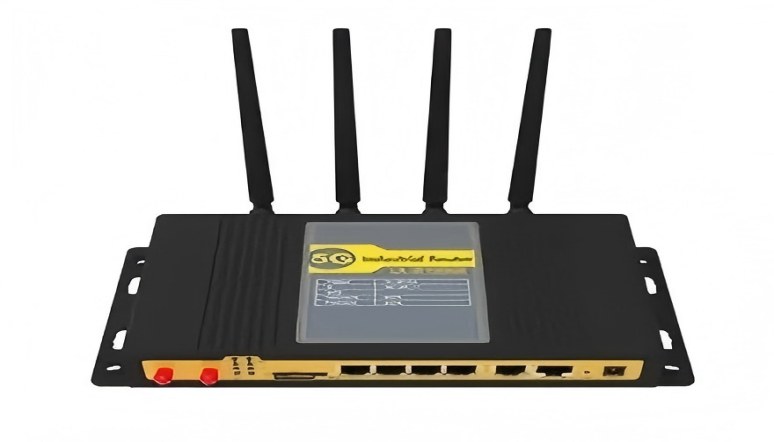
What Industrial Environments Demand from Modern Ethernet Routing Solutions
Industrial environments create challenges that traditional networking equipment is not designed to handle. Manufacturing facilities, energy systems, and outdoor industrial sites often experience vibration, temperature changes, electrical interference, and continuous operating conditions.
For this reason, an industrial ethernet router needs to provide consistent performance under conditions where ordinary routers may not be suitable. Beyond basic data transmission, industrial routing solutions must support stable connections, efficient network management, and reliable communication between critical devices.
| Comparison Factor | Standard Router | Industrial Ethernet Router |
|---|
| Typical Environment | Offices, homes, and commercial networks | Factories, automation systems, and industrial facilities |
| Communication Requirements | General internet and device connectivity | Continuous machine-to-machine communication and industrial data exchange |
| Environmental Capability | Usually designed for controlled indoor conditions | Designed for vibration, temperature variation, and industrial interference |
| Network Management | Basic configuration and user management | Supports industrial network control and system integration |
| Application Focus | Everyday networking needs | Automation, remote monitoring, industrial IoT, and machine communication |
This difference is especially important in industries where network interruptions can affect production continuity. A temporary connection issue in an office environment may only delay information access, while a communication problem in a factory can interrupt automated processes and create unnecessary downtime.
By using an industrial router designed for industrial conditions, companies can build networks that better match their operational requirements and reduce the risks associated with unstable communication.
Keeping Automated Production Lines Connected Through Reliable Industrial Networking
Automation systems rely on accurate communication between machines. A production line may involve multiple devices working together, including motion controllers, robotic systems, sensors, and quality inspection equipment. Each component depends on timely data exchange to maintain coordinated operation.
An industrial ethernet router supports this process by maintaining communication between different parts of the automation system. It enables machines to share information with control platforms and allows operators to monitor equipment performance more effectively.
For example, when a sensor detects an abnormal operating condition, the information needs to reach the appropriate control system quickly. The control platform may then adjust machine parameters or trigger maintenance actions. Reliable industrial communication ensures that these responses happen without unnecessary delays.
As manufacturers move toward smart factories, the amount of data generated by connected equipment continues to increase. An industrial router helps organize this growing flow of information by connecting production equipment with monitoring systems, edge devices, and higher-level management platforms.
For businesses planning to upgrade their industrial communication infrastructure, selecting equipment that matches actual operating requirements is essential. Lanaotek provides industrial networking solutions designed for different application environments, and companies can explore suitable options through Lanaotek’s industrial networking solutions.
Managing Data Flow and Network Security in Complex Industrial Systems
As industrial networks become more connected, managing communication traffic and protecting data exchange have become important considerations. Modern facilities often combine operational technology (OT) systems with digital platforms, creating more complex communication structures.
An industrial ethernet router helps organize data flow between different network areas. By managing connections between machines, control systems, and external platforms, it helps maintain a clearer and more efficient network structure.
Network security is another factor that cannot be overlooked. Industrial systems may include remote equipment access, cloud connectivity, and multiple connected devices. A suitable industrial router can support secure communication methods and better access management, helping companies maintain control over their industrial networks.
For Industrial IoT applications, industrial routers serve as an important connection point between physical equipment and digital systems. They allow businesses to collect operational information while maintaining a structured approach to network management.
Where Industrial Ethernet Routers Deliver Value Across Real-World Applications
The need for dependable machine communication exists across many industries. An industrial ethernet router provides value wherever equipment, control systems, and monitoring platforms need to exchange information consistently.
In smart manufacturing, industrial ethernet routers connect production equipment, automation systems, and data platforms to improve operational visibility. In energy applications, they support communication between distributed equipment and centralized monitoring systems. In transportation infrastructure, they help maintain stable connections for control and monitoring functions.
Remote industrial locations also benefit from industrial router technology. These sites often require reliable communication despite limited physical access. By enabling remote monitoring and management, industrial routers help operators maintain equipment visibility and reduce the difficulty of on-site maintenance.
The growing adoption of connected systems means industrial networking equipment must support not only current requirements but also future expansion. This makes the selection of a suitable industrial ethernet router an important part of long-term infrastructure planning.
Building the Next Generation of Connected Industrial Infrastructure
The future of industrial operations will depend on how effectively machines, systems, and digital platforms communicate with each other. Industry 4.0 is driving manufacturers to create more connected environments where automation, data analysis, and intelligent decision-making work together.
An industrial ethernet router provides the communication foundation required for these connected environments. By supporting data exchange between machines, edge devices, and cloud platforms, it helps companies create more flexible and scalable industrial networks.
As industrial systems continue to evolve, the importance of an industrial router will extend beyond simple connectivity. It will become an essential component in building smarter industrial infrastructure where communication reliability directly supports operational performance.
Conclusion
Reliable machine-to-machine communication is the foundation of modern industrial automation. As factories become more connected, companies need networking solutions that can handle complex communication requirements and demanding operating environments.
An industrial ethernet router helps bridge communication between machines, control systems, and digital platforms while supporting stable data exchange and network management. Whether used in manufacturing, energy, transportation, or remote industrial applications, industrial routers provide the connectivity needed for efficient and connected operations.
Choosing the right networking equipment requires consideration of application conditions, communication requirements, and future expansion plans. Companies that need support with industrial router selection or network planning can connect with Lanaotek through its industrial networking consultation channel.
FAQ
1. Why can’t a standard router replace an industrial ethernet router?
Standard routers are mainly designed for commercial environments, while industrial ethernet routers are built to handle continuous operation, industrial conditions, and machine communication requirements.
2. What environments require an industrial router?
Industrial routers are commonly used in factories, energy facilities, transportation systems, automation projects, and remote industrial locations where stable communication is required.
3. How does an industrial ethernet router support factory automation?
It connects machines, PLCs, sensors, and control systems, allowing them to exchange operational data and maintain coordinated automated processes.
4. Can industrial routers support remote monitoring?
Yes. Industrial routers can connect remote equipment with monitoring platforms, allowing operators to access operational information without being physically present at the site.
5. What should companies consider when selecting an industrial ethernet router?
Companies should evaluate environmental conditions, network requirements, connected devices, security needs, and future scalability before selecting an industrial ethernet router.
6. How do industrial ethernet routers improve industrial network scalability?
They provide a structured communication framework that allows companies to add new devices and systems while maintaining organized data exchange across the network.
By Lanaotek
Lanaotek specializes in translating cutting-edge optical and Ethernet transmission technologies into clear, valuable insights that help our customers stay ahead in a fast-evolving digital world.
By turning complex technical concepts into practical, business-driven content, we aim to empower decision-makers with the knowledge they need to make confident, future-ready choices.
 EN
EN
 fr
fr  es
es  ru
ru  pt
pt  ar
ar  de
de 
 Internet Data Center
 FAQs
FAQs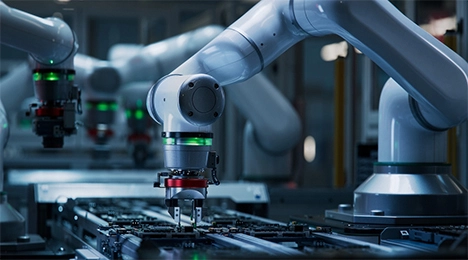 Industry News
 About Us
 Data Center Switch
  Enterprise Switch
  Industrial Switch
  Access Switch
  Integrated Network
  Optical Module & Cable


 Call us on:
  Email Us:
  2106B, #3D, Cloud Park Phase 1, Bantian, Longgang, Shenzhen, 518129, P.R.C.