In 2013, the Myanmar government lifted partial market controls and allowed international capital to participate in the country’s economic development. Taking this opportunity, Telenor, a leading Norwegian telecommunications operator, obtained a telecom operating license and officially entered Myanmar’s telecommunications market. At that time, the market was largely monopolized by state-owned operator MPT. The market penetration rate was low, with the internet penetration standing below 10%, yet it boasted enormous development potential.
As a new entrant, Telenor Myanmar was granted a license to provide nationwide mobile communication services, which required the operator to build a mobile communication network covering the entire territory of Myanmar.
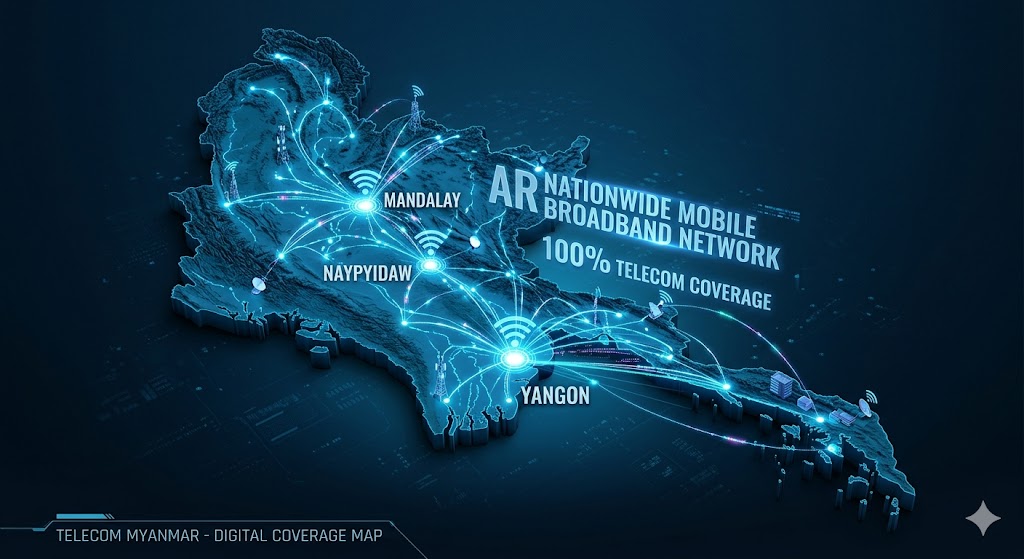
Myanmar has a total land area of approximately 676,578 square kilometers, ranking the second largest country in Southeast Asia, with a population of around 51.4 million. Its major cities include Yangon, Nay Pyi Taw, Mandalay and Lashio. Myanmar is a multi-ethnic country. The Bamar people, the main ethnic group, account for about 68% of the total population and mainly reside in Lower Myanmar. A total of 134 ethnic minorities make up roughly 32% of the population, mostly living in Upper Myanmar. Due to historical issues, ethnic minority settlements are mostly located in mountainous areas and have long been in a state of regional autonomy and civil unrest. In 2013, the political situation in Myanmar eased and moved toward reconciliation, making it feasible to deploy a nationwide mobile communication network covering ethnic minority areas.
A brand-new Mobile Broadband (MBB) network consists of three major segments:
The Mobile Bearer Network adopts a hybrid networking architecture comprising four sub-domains: Microwave, Fiber Cable, Optical Transmission and Data Communication.
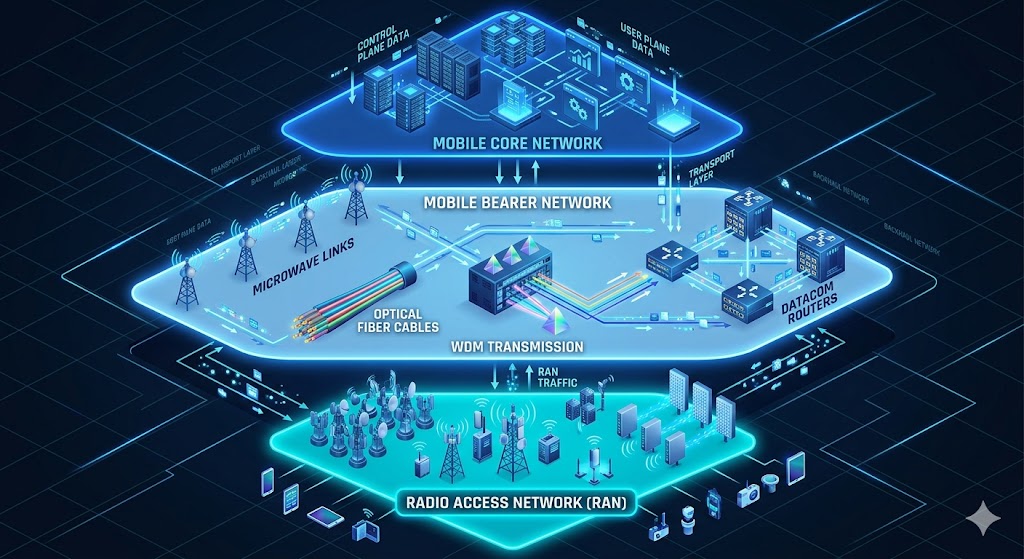
In addition, the construction of the three major segments of the new mobile communication network involves site selection, site leasing or new construction (including civil engineering, ventilation, fire protection, waterproofing and power supply deployment), as well as site integration and the leasing or deployment of access fiber cables, aggregation fiber cables and backbone fiber cables.
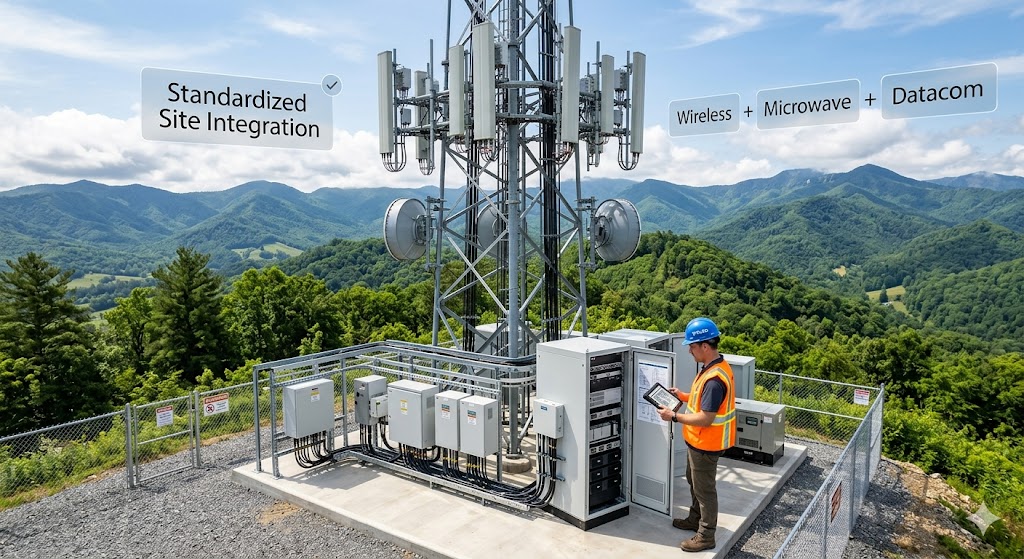
Site integration is classified into the following main categories:
Based on actual project conditions, each main category is further divided into standardized sub-types. Standard design templates and construction Standard Operating Procedures (SOPs) are formulated for each sub-type to facilitate rapid construction and acceptance of all kinds of sites.
The construction of a brand-new mobile communication network starts with network planning. Telenor Myanmar immediately launched the network planning work for its new nationwide mobile network.
By Lanaotek
Lanaotek specializes in translating cutting-edge optical and Ethernet transmission technologies into clear, valuable insights that help our customers stay ahead in a fast-evolving digital world.
By turning complex technical concepts into practical, business-driven content, we aim to empower decision-makers with the knowledge they need to make confident, future-ready choices.
 EN
EN
 fr
fr  es
es  ru
ru  pt
pt  ar
ar  de
de 
 Internet Data Center
 FAQs
FAQs Industry News
 About Us
 Data Center Switch
  Enterprise Switch
  Industrial Switch
  Access Switch
  Integrated Network
  Optical Module & Cable



 Call us on:
  Email Us:
  2106B, #3D, Cloud Park Phase 1, Bantian, Longgang, Shenzhen, 518129, P.R.C.